Comprehending the Various Kinds Of Stained Concrete for Your Following Project
Stained concrete offers various options that deal with various visual and useful needs. Each type provides distinct features that influence the last appearance and durability of the surface. Understanding these differences is key for anyone preparing a job. From abundant, chain reactions of acid-based stains to the lively uniformity of solid color stains, the choices can considerably impact the result. What elements should one consider when picking the suitable tarnish for their certain requirements?
Overview of Stained Concrete
Stained concrete functions as a flexible flooring alternative that can enhance the aesthetic appeal of different areas. This method entails applying a tinting representative to the surface area of existing concrete, enabling for a wide spectrum of style opportunities. Stained concrete is prominent in both property and industrial settings, providing a durable and low-maintenance option that can mimic the appearance of all-natural materials like rock or tile.
The discoloration process can be carried out utilizing water-based or solvent-based items, each giving unique visual impacts. The last look is influenced by elements such as the initial concrete surface area, the sort of stain used, and the application method. Stained concrete not only enhances insides and exteriors however additionally promotes sustainability by rejuvenating existing concrete frameworks. Consequently, it has gained traction amongst home owners and designers seeking both functionality and style in their flooring choices.
Acid-Based Stains: Features and Benefits
Special Shade Variants
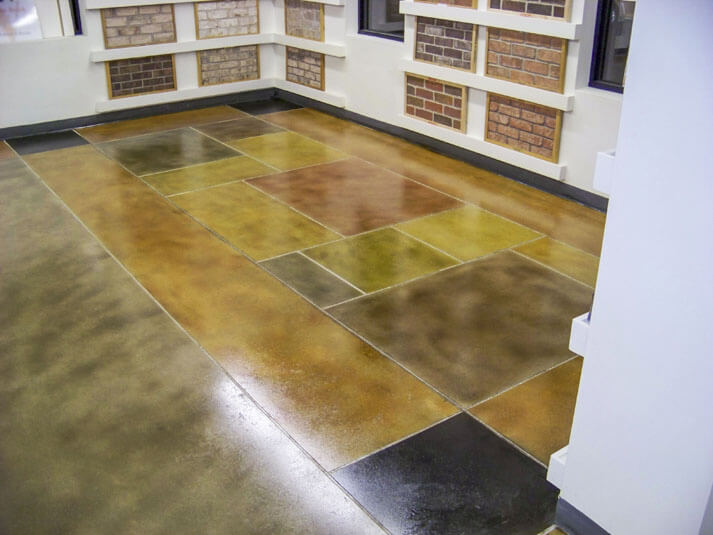
Concrete surfaces can transform considerably with the application of acid-based stains, which supply a rich combination of unique shade variants. These stains pass through the concrete, responding chemically to produce vibrant earth tones that vary from deep browns and reds to soft environment-friendlies and blues. The resulting colors are typically variegated, developing a natural, marble-like look that boosts the concrete's character. Each application returns unique results as a result of variants in the concrete's composition and the discoloration strategy utilized, making every project unique. Additionally, acid-based stains can be layered or integrated with various other techniques to create tailored designs, permitting personal expression. This versatility makes acid-based stains a preferred option for both household and commercial applications.
Chain Reaction Clarified
While several elements add to the effectiveness of acid-based stains, the underlying chemical reactions play an essential duty in their unique characteristics and benefits. These stains largely include water, acid, and metallic salts. When applied to concrete, the acid reacts with the calcium hydroxide in the concrete, creating a chemical makeover that causes long-term color adjustments. The metallic salts pass through the surface area and bond with the concrete, allowing for a vast variety of colors and tones. This reaction not only enhances visual charm but also provides toughness, making the color immune to fading and wear. In addition, acid-based stains can create a variegated surface that imitates all-natural rock, further improving their popularity for decorative concrete applications.
Surface Preparation Significance
Accomplishing excellent outcomes with acid-based stains copyrights on thorough surface prep work. This crucial action guarantees that the concrete surface is tidy, without pollutants, and effectively profiled for suitable discolor absorption. Any existing sealants, dust, or oils can impede the chain reaction that generates the desired shade and coating, bring about irregular or uneven outcomes.
Prior to applying the tarnish, the concrete must be mechanically cleaned up or stress washed, adhered to by an extensive inspection for splits or flaws that may call for repair work. In addition, validating the surface area is appropriately dried out will certainly boost stain adherence. By prioritizing these primary procedures, the long life and vibrancy of acid-based stains can be greatly enhanced, resulting in a much more cosmetically pleasing and resilient surface.
Water-Based Stains: Attributes and Advantages

Water-based stains permeate the concrete, using a much more clear coating that highlights the natural appearance and variants of the surface area below. They are offered in a wide variety of colors, enabling innovative adaptability in style. In addition, water-based stains are easier to clean up, needing just water and soap, which streamlines the application procedure.
Their fast drying out time improves effectiveness, making them a functional selection for both do it yourself fanatics and professionals. On the whole, water-based stains provide an appealing combination of aesthetic versatility and user-friendly residential or commercial properties, making them a popular choice for concrete improvement tasks.
Strong Shade Stains: Vibrant Alternatives for a Bold Look
Solid color stains use a reliable remedy for those looking for to produce a strong and vivid aesthetic on concrete surface areas. These stains give an uniform pigmentation that can significantly boost the visual charm of floors, outdoor patios, and driveways. Readily available in a wide range of colors, strong shade stains enable for innovative expression, satisfying different design preferences.
Among the key advantages of strong color stains is their ability to hide blemishes, offering a fresh and refined want to aging concrete - Stained Concrete Austin. Furthermore, their solution usually includes UV-resistant homes, making certain durability and shade retention even in extreme climate condition
Application is uncomplicated, calling for marginal preparation of the concrete surface. When used, solid shade stains can be secured for included protection and luster, additional boosting their aesthetic high quality. With their vivid options, strong shade stains are a superb option for those going for an impactful and cohesive style.
Semi-Transparent Stains: Achieving Depth and Dimension
Semi-transparent stains use an unique approach to enhancing concrete surface areas by supplying depth and dimension with various color alternatives. Comprehending the application strategies is important for accomplishing the desired impact, while proper maintenance practices guarantee long life. This area will certainly discover these vital aspects to take full advantage of the benefits of semi-transparent discoloration.
Color Options Available
A wide range of shade options exists for semi-transparent stains, allowing property owners and designers to enhance the all-natural appeal of concrete surface areas. These stains are available in an array of tones, from earthy tones like browns and terracottas to dynamic colors such as blues and greens. The semi-transparent nature of these stains enables the underlying concrete to reveal with, creating an one-of-a-kind deepness and dimension that can enhance different design visual appeals. Additionally, integrating various shades can produce customized shades, enabling a customized seek each task. This versatility makes semi-transparent stains a prominent option for both indoor and exterior applications, as they can harmonize with surrounding aspects while adding visual interest to simple concrete.
Application Techniques Discussed
To achieve the wanted deepness and measurement with semi-transparent stains, correct application strategies are essential. First, surface prep work is essential; the concrete must be tidy and without any pollutants. This frequently entails power cleaning and fixing any type of fractures. Next off, choosing the best applicator, such as a sprayer, roller, or brush, can affect the last look. Sprayers permit for a more also application, while rollers can assist achieve texture. It is very important to apply the stain in thin, even coats, enabling each layer to dry before adding one more. Controling the application strategy, such as varying pressure or using various devices, can develop special impacts. Securing the stained surface improves the vibrancy of the colors while giving protection.
Maintenance Best Practices
Routine maintenance is necessary for preserving the beauty and stability of surface areas treated with semi-transparent stains. To maintain these surfaces, regular cleaning is important. Using a pH-neutral cleaner and a soft-bristle mop will aid get rid of dirt and particles without damaging the stain. It is advisable to avoid harsh chemicals, as they can weaken the tarnish's look. In addition, regular resealing each to three years can safeguard against wear and fading. This process includes cleaning up the surface extensively and using a suitable sealant made for stained concrete. Property owners should also keep track of for any type of indications of discoloration or damage and address these concerns quickly to guarantee long-lasting vibrancy and longevity. Adhering to these finest techniques will enhance the overall lifespan of semi-transparent stained surface areas.
Results and Strategies: Customizing Your Stained Concrete
Personalizing stained concrete involves a range of strategies that improve both aesthetics and performance. Amongst these methods, layering different tarnish colors can produce depth and intricacy, permitting one-of-a-kind aesthetic results. Methods such as acid discoloration give a variegated look, while water-based stains supply an extra consistent look.
Additionally, including attractive patterns, such as stenciling or inscription, can further individualize the surface area, adding detailed styles that cater to specific tastes. Texturing the concrete, whether via stamping or mop finishes, presents responsive components that not just boost grasp however likewise boost visual passion.
Applying sealants can enhance the shade vibrancy and offer protection versus wear. Modification methods extend beyond simple color; they can transform a basic concrete piece into a sensational focal point, making it suitable for both property and industrial areas. Via cautious selection of effects and techniques, stained concrete can accomplish a really customized look.
Upkeep and Durability of Stained Surfaces
Stained concrete surface areas are known for their toughness and aesthetic allure, preserving their honesty is essential for guaranteeing durability. Routine cleaning is essential; sweeping and wiping with a pH-neutral cleaner helps avoid dirt buildup and discoloration. Additionally, using a sealer every couple of years can protect the surface area from wetness, chemicals, and UV damages, thus enhancing its life expectancy.
It is likewise vital to resolve any fractures or chips promptly. Small repairs can minimize additional deterioration, protecting the visual and structural high quality of the surface. For outside stained concrete, seasonal upkeep, such as removing snow and ice, is essential to stop surface area damage from freeze-thaw cycles.
Regularly Asked Questions
Can I Tarnish Existing Concrete Surfaces or Just Brand-new Ones?
The concern of whether existing concrete surfaces can be stained arises regularly. It is without a doubt feasible to stain both new and old concrete, offered the surface area is properly prepared and devoid of pollutants for ideal attachment.
For how long Does the Discoloration Process Normally Take?
The staining process commonly takes one to three days, depending on elements such as surface area prep work, sort of tarnish, and climate condition. Austin Stained Concrete Floors. Treating time might extend past initial application, influencing the overall duration significantly
Is Stained Concrete Safe for Outdoor Usage?
Stained concrete is usually secure for exterior use, gave read more it is properly sealed. This sealing protects against moisture and UV damage, ensuring toughness and safety and security, while additionally enhancing the visual charm of outside rooms.
Can I Use Numerous Discoloration Layers for Different Results?
Applying numerous tarnish layers can accomplish varied impacts on stained concrete. It is necessary to ensure compatibility between stains and permit correct drying out time between applications to stay clear of unplanned reactions or discoloration.
Are There Any Kind Of Color Limitations for Stained Concrete?
Shade restrictions for stained concrete mainly rely on the kind of stain utilized, with water-based stains using a more comprehensive combination compared to acid-based stains. Stained Concrete Floors Austin Tx. Nevertheless, attaining vibrant colors may need careful option and application techniques
Comments on “The step-by-step process of staining stained concrete floors austin texas”